Over the years, businesses have invested heavily in process digitization, automation, and productivity optimization. However, much of this effort has remained within the framework of traditional thinking: humans are at the center of operations, while technology plays a supporting role. The emergence of artificial intelligence at the systems level is changing that structure.
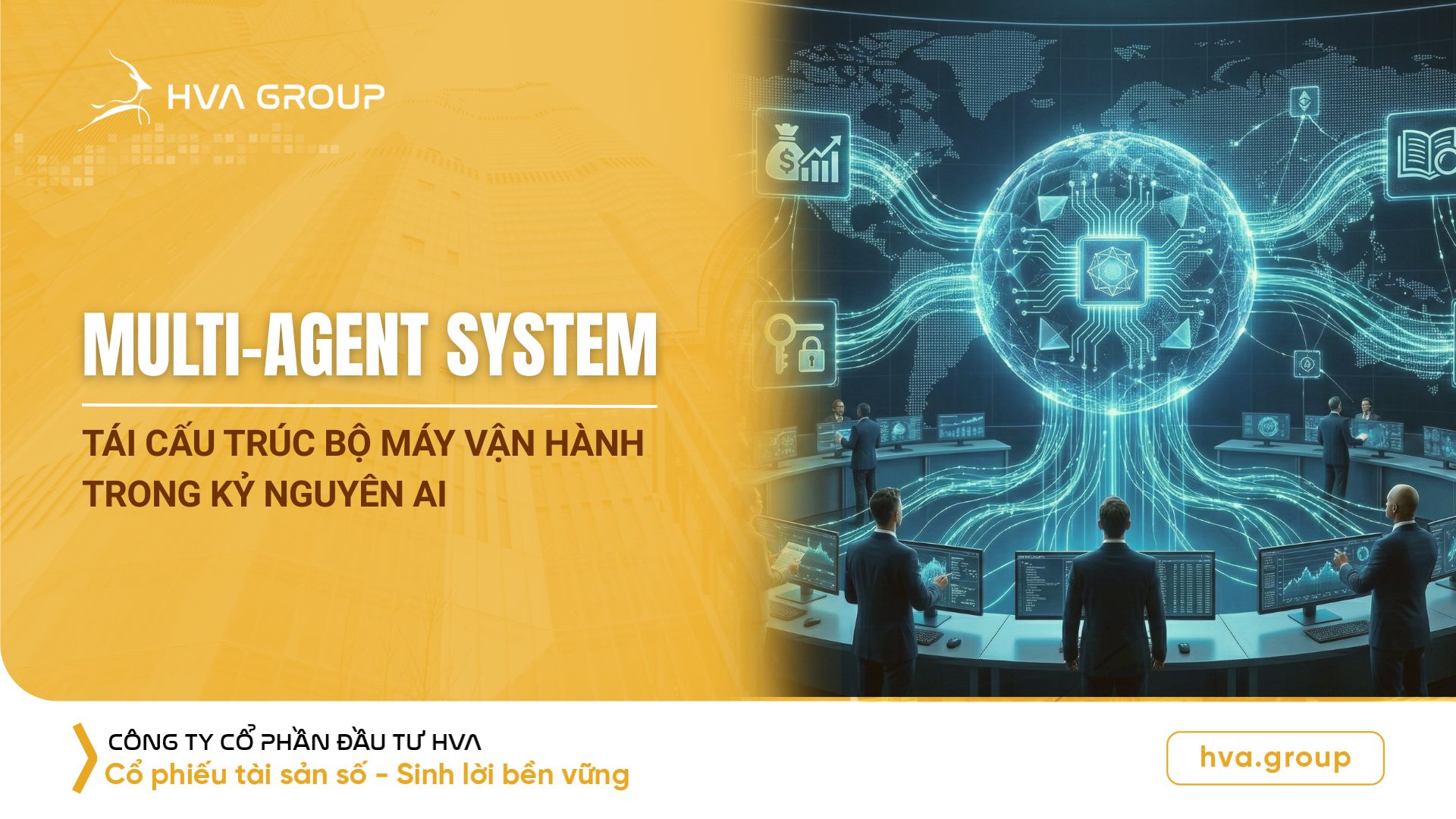
Multi-Agent Systems (MAS) are more than just a software solution. They represent a new organizational model where multiple specialized AI agents collaborate like real departments, operating under a unified enterprise operating system. When implemented correctly, MAS not only enhances performance but redefines how businesses process data, make decisions, and manage risk.
From Automation to Multi-Agent Operational Architecture
Traditional automation operates based on fixed processes. When input conditions change, the system only performs what has been pre-programmed. In a stable business environment, this is sufficient to optimize costs. But in the fields of finance, investment, and digital assets – where data fluctuates in real time – linear automation is no longer adequate.
Multi-Agent Systems are built on the principle of functional separation and parallel coordination. Each agent is an AI with its own specialized role, capable of accessing data, using tools, and providing analysis within its authorized scope. These agents do not operate in isolation, but interact with each other through a central coordination layer.

Instead of a sequential process, the business operates on a network model – where information is processed simultaneously in multiple dimensions and converges into strategic proposals in the shortest possible time.
Multi-Agent Architecture in Investment Businesses
In the context of investment or fintech businesses, MAS can be designed into specialized functional clusters.
The AI Research Agent is responsible for collecting and analyzing market data, macroeconomic signals, and capital flow behavior. The AI Risk Agent continuously simulates scenarios, measures portfolio risk levels, and detects unusual fluctuations. The AI Compliance Agent checks legal factors, trading limits, and internal compliance. The AI Finance Agent monitors cash flow, investment performance, and capital allocation structure.
At the heart of the process, a Coordinator Agent synthesizes, cross-evaluates, and proposes courses of action to the executive team. This entire process takes place in real time, independent of meeting cycles or manual reporting.
The result is not only higher processing speed, but also improved decision quality thanks to multi-dimensional collaboration.
Case Study: Operational Restructuring in an Investment Environment
An Asian asset management firm undertook an internal restructuring based on the MAS model after recognizing that decision lags were undermining investment performance. Previously, the operational process involved multiple departments handling matters sequentially. Each stage of analysis, risk assessment, and legal review required its own time, resulting in insufficient market responsiveness.
After implementing MAS, the operational structure was redesigned in a parallel manner. When unusual market signals appear, the AI Research Agent immediately records and transmits data to the AI Risk Agent to simulate the impact. Simultaneously, the AI Compliance Agent reviews the relevant legal framework. The Coordinator Agent compiles the results and provides recommendations for portfolio adjustments.
Within a year of implementation, the organization observed three significant changes: a substantial reduction in decision-making lag, improved risk control rates, and optimized personnel costs in repetitive analysis processes. More importantly, the organizational structure became more flexible and scalable as the scale of assets under management increased.

Long-term strategic benefits
Multi-Agent Systems not only offer operational benefits but also create a competitive advantage at the structural level.
Firstly, MAS helps businesses maintain continuity in a 24/7 environment. When the global financial market is constantly active, the system doesn't stop either.
Secondly, MAS reduces reliance on individuals. The risk analysis and control process is systematized, limiting deviations caused by emotional factors.
Third, MAS provides a foundation for proactive governance. Instead of reacting after a risk occurs, the system can detect and warn of it early.
Fourth, MAS enhances business valuations. Investors value organizations that can operate based on data and AI, due to their greater transparency and scalability.
Management challenges and requirements
Implementing MAS requires a shift in management thinking. Businesses must clearly define the roles of each agent, establish authorization mechanisms, and ensure high-level data security.
In addition, algorithm auditing processes need to be established to ensure transparency and decision traceability. As AI becomes deeply involved in the action recommendation process, legal and ethical responsibilities must be designed in parallel with the technology.
MAS doesn't eliminate the role of people. On the contrary, it repositions people at the strategic level – where leadership focuses on vision, and systems handle micro-level data processing.
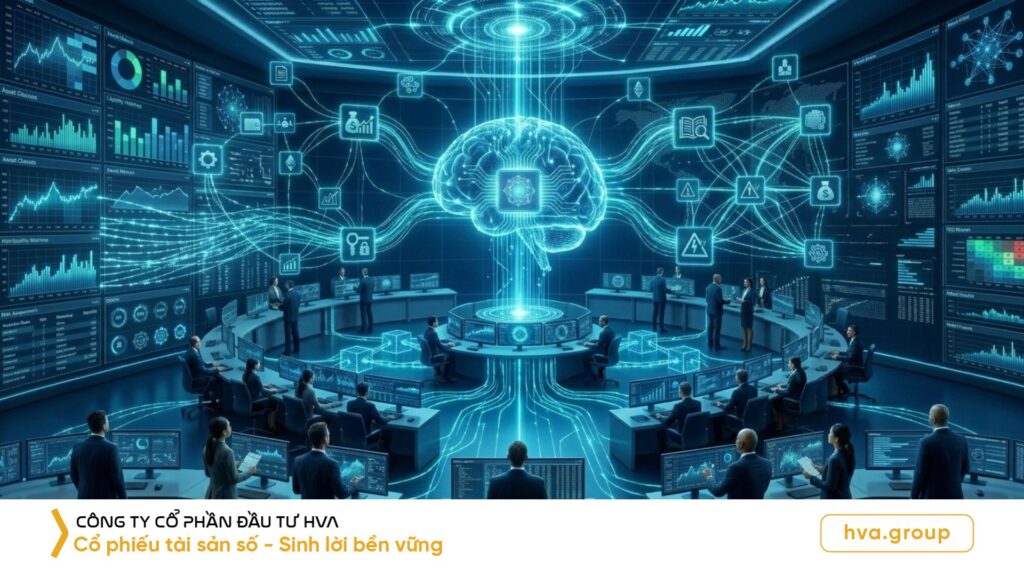
Multi-Agent System in the AI Operating System roadmap
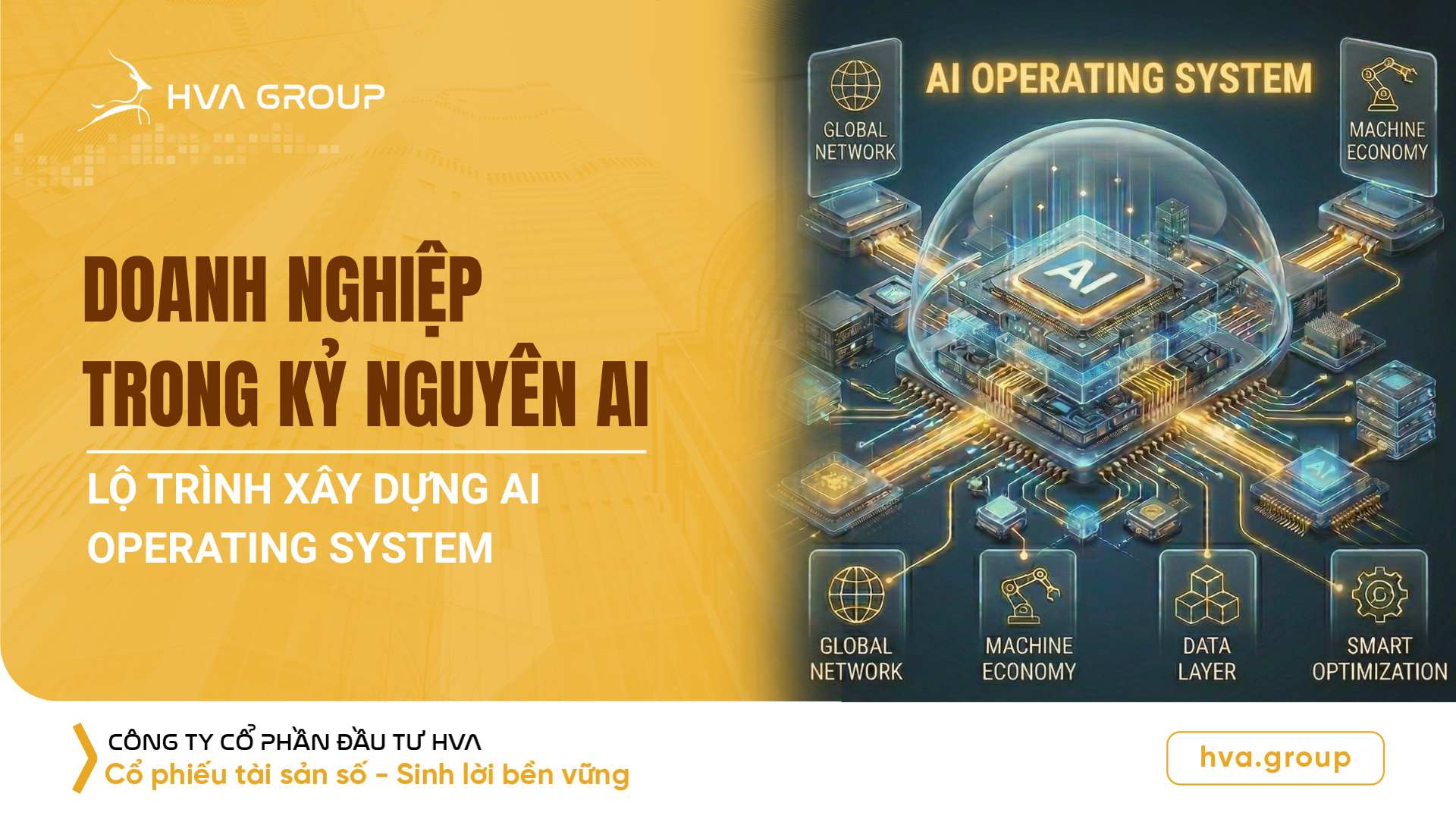
In the AI Operating System evolution model, the Multi-Agent System corresponds to the level of forming an "AI department." This is a crucial shift from using AI as a discrete tool to integrating AI into the organizational structure.
Upon reaching this level, businesses possess the foundation to move towards an Autonomous Business Unit – where AI can monitor KPIs, detect deviations, and proactively suggest strategic adjustments.
For the financial and digital asset sector, MAS is no longer an experimental option but a necessary condition for maintaining competitiveness in a data-dense and highly volatile environment.
Conclude
Restructuring operations with a Multi-Agent System is a strategic step in the journey towards an AI-powered business. This is not a short-term trend, but a foundational architecture for the next decade.
In an era where speed of information processing and quality of decision-making determine competitive advantage, businesses that build multi-agent operating systems sooner will hold a long-term advantage.
Multi-Agent Systems don't just optimize processes. They redefine operational structures – from human-based businesses to intelligent systems-based businesses.