In the age of data and automation, an investment firm's competitive advantage no longer lies solely in capital, networks, or personal experience. The real advantage lies in its ability to process information, assess risk, and make decisions at a superior speed.
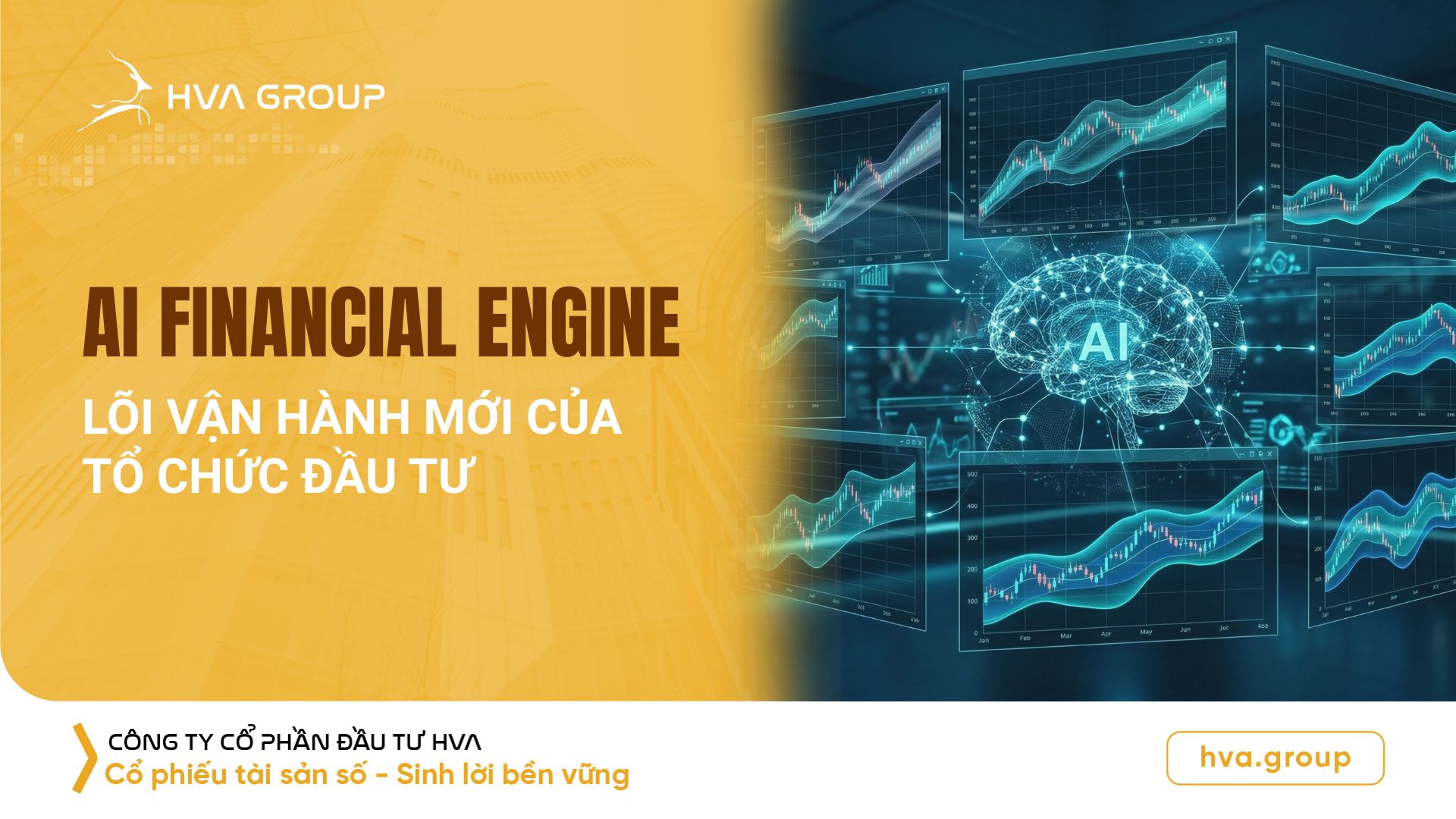
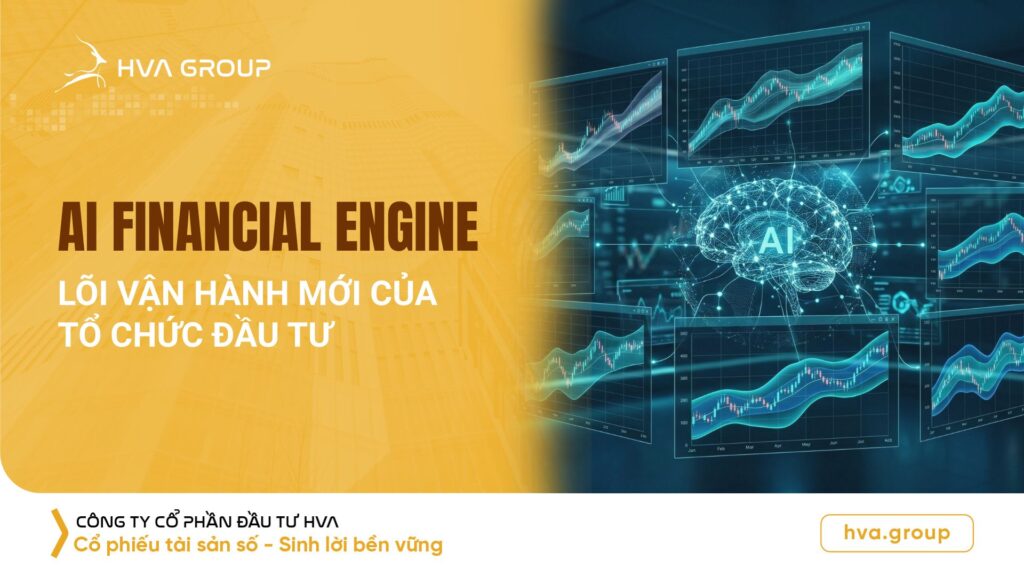
While trading systems were once the heart of financial businesses, today the core of operations is shifting towards a new architecture: AI Financial Engine.
This is not an analytical tool, but rather a centralized operating system that integrates asset valuation, risk scoring, and real-time compliance monitoring.
From the analysis room to the financial operating system.
In the traditional model, financial functions are separated:
- Valuation Analysis Department
- Risk Management Department
- Compliance Department
- Transaction Control Department
Information moves through multiple layers, and decisions often depend on reporting cycles and human collaboration.
This model is suitable when market speed is slow. But in the digital asset environment and a 24/7 globalized market, that fragmented structure creates latency – and latency is the cost.
The AI Financial Engine integrates these functions into a unified operational core.
What is an AI Financial Engine?
AI Financial Engine is an integrated artificial intelligence system based on three main pillars:
- AI Valuation Engine – Smart Asset Valuation
- AI Risk Scoring Engine – Dynamic Risk Scoring
- AI AML Monitoring – Compliance Monitoring and Anti-Money Laundering
These three layers do not operate independently but are linked together to form a closed-loop analysis-warning-adjustment system.
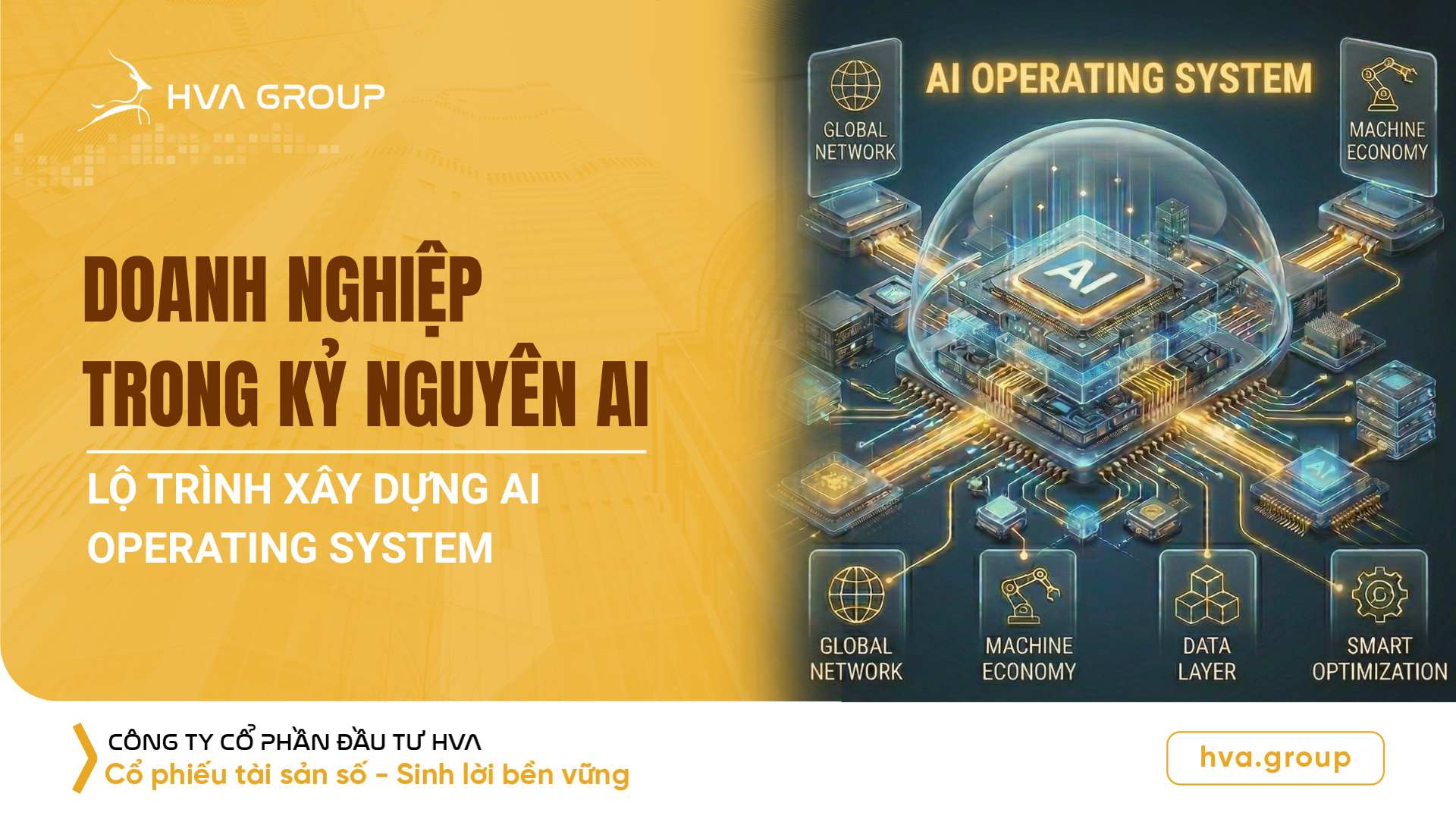
In the AI Operating System architecture, the Financial Engine is the organization's "financial brain.".

1. AI Pricing: From Static Models to Dynamic Pricing
In traditional finance, valuation is often based on:
- DCF (Discounted Cash Flow)
- Compare P/E and EV/EBITDA ratios.
- Dividend discount model
- Industry correlation analysis
These models are still useful, but they have limitations when:
- Data is constantly changing.
- Rapid macroeconomic fluctuations
- Digital assets have a distinct structure.
The AI Valuation Engine expands valuation capabilities by:
- Combining market data, macroeconomic data, and investor behavior.
- Analyzing unstructured data (news, sentiment)
- Update weights in real time.
- Learn from previous forecast deviations.
The result is not a fixed number, but rather a range of probability pricing based on market conditions.
2. AI Risk Scoring: Multidimensional Risk Scoring
Risks in digital assets are not just price volatility. They include:
- Liquidity risk
- Systemic risk
- Leverage risk
- Partner risk
- Technological risks
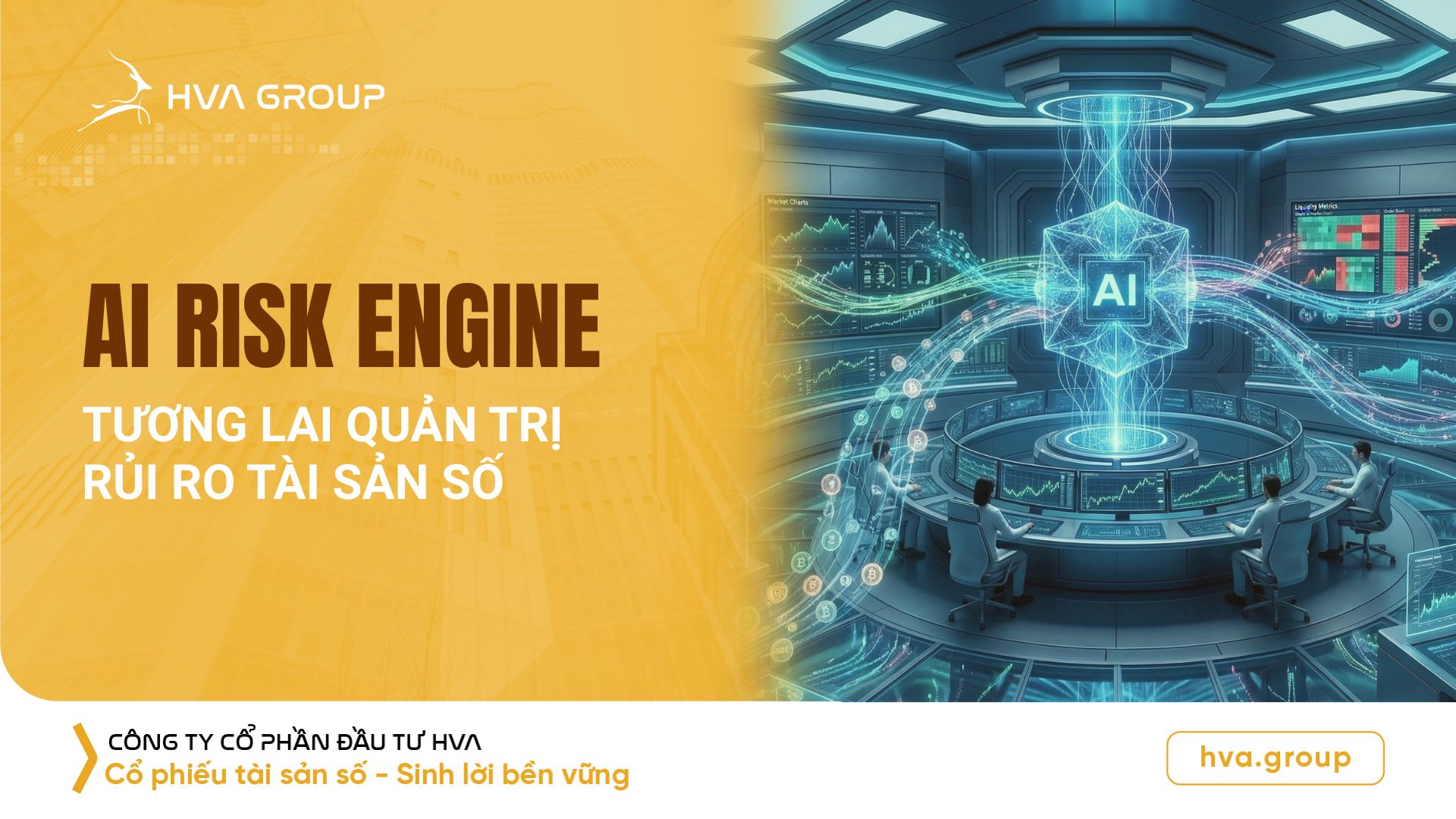
The AI Risk Scoring Engine incorporates multiple factors to generate dynamic risk scores for individual assets and the entire portfolio.
The difference compared to the traditional method is:
- Risk score changes in real time.
- Latent correlation detection system
- It is possible to provide early warning before the risk spreads.
This is especially important in a highly interconnected environment like digital assets.

3. AI AML Monitoring: Compliance in a Decentralized Environment
In digital finance, compliance cannot rely on manual checks.
AI AML Monitoring helps:
- On-chain cash flow analysis
- An unusual trading pattern has been detected.
- Identifying high-risk wallets
- Automatically alert you to suspicious transactions.
The system learns from historical data and is continuously updated in accordance with legal regulations.
For investment organizations, this is not just a legal issue, but also a matter of protecting their reputation and investor confidence.
Integrated architecture: From data to decision
The AI Financial Engine operates in the following cycle:
Data collection → Valuation analysis → Risk scoring → Compliance monitoring → Portfolio adjustment recommendations.
Instead of each department operating independently, the system links data and provides near-instantaneous feedback.
When the Risk Score exceeds a certain threshold, the system may:
- Adjusting the valuation weights
- Admin Room Warning
- Proposal to reduce status
- Increase compliance inspection requirements.
This is a proactive operating model, rather than a reactive one.
Role in Web4 and Multi-Agent Systems
In the Web4 architecture, where AI agents can execute transactions automatically, the Financial Engine acts as the central control layer.
- AI Trading Agent executes strategy
- AI Risk Engine monitors portfolio
- AI Compliance Agent ensures compliance.
- AI Financial Engine aggregates and coordinates.
Investment organizations are shifting from a "human decision-making - system execution" model to a "system analysis - human approval" model.

Long-term strategic advantage
Organizations that build an AI Financial Engine will have:
- Faster decision-making speed
- Higher profit margins are achieved through optimized capital allocation.
- Lower systemic risk
- The ability to expand the portfolio without a corresponding increase in personnel costs.
In the long term, AI Financial Engine is not a technology cost. It is a strategic asset that increases business valuation.
Conclude
In the age of AI, investment organizations can't just digitize processes. They need to restructure their core operations. The AI Financial Engine represents that shift – where valuation, risk, and compliance are integrated into a continuously learning system.