When physical assets enter the smart financial architecture
For many years, tokenization has been touted as a major step forward in digital finance. Physical assets are moved onto the blockchain, ownership is digitized, transactions become transparent, and liquidity is expanded. However, the essence of this transformation lies not in the issuance of tokens, but in how assets are valued, monitored, and governed in a digital environment.
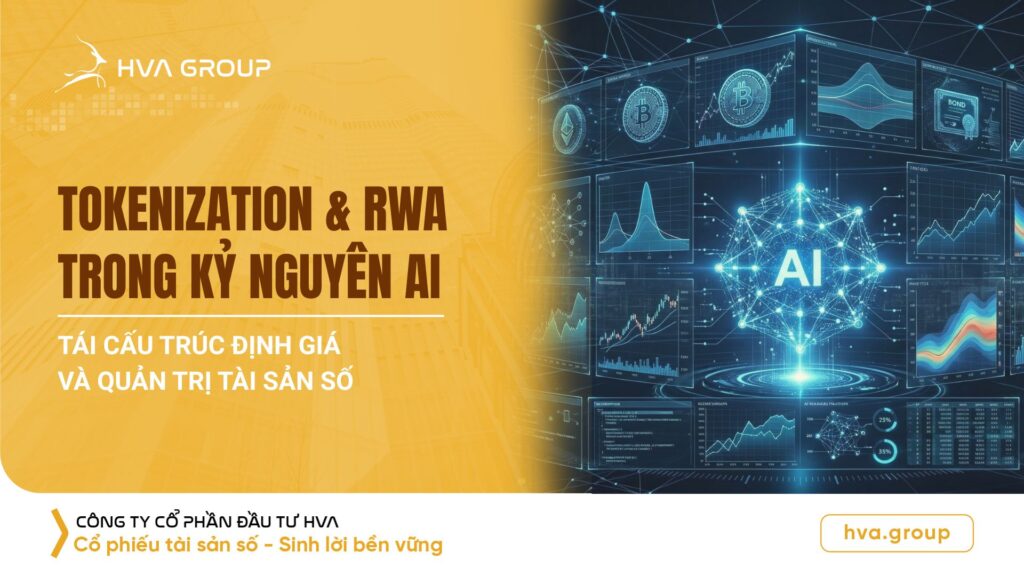
Real World Assets (RWA) only truly creates value when integrated into a valuation and risk management system capable of handling continuous data processing. This is where RWA and artificial intelligence (AI) intersect.
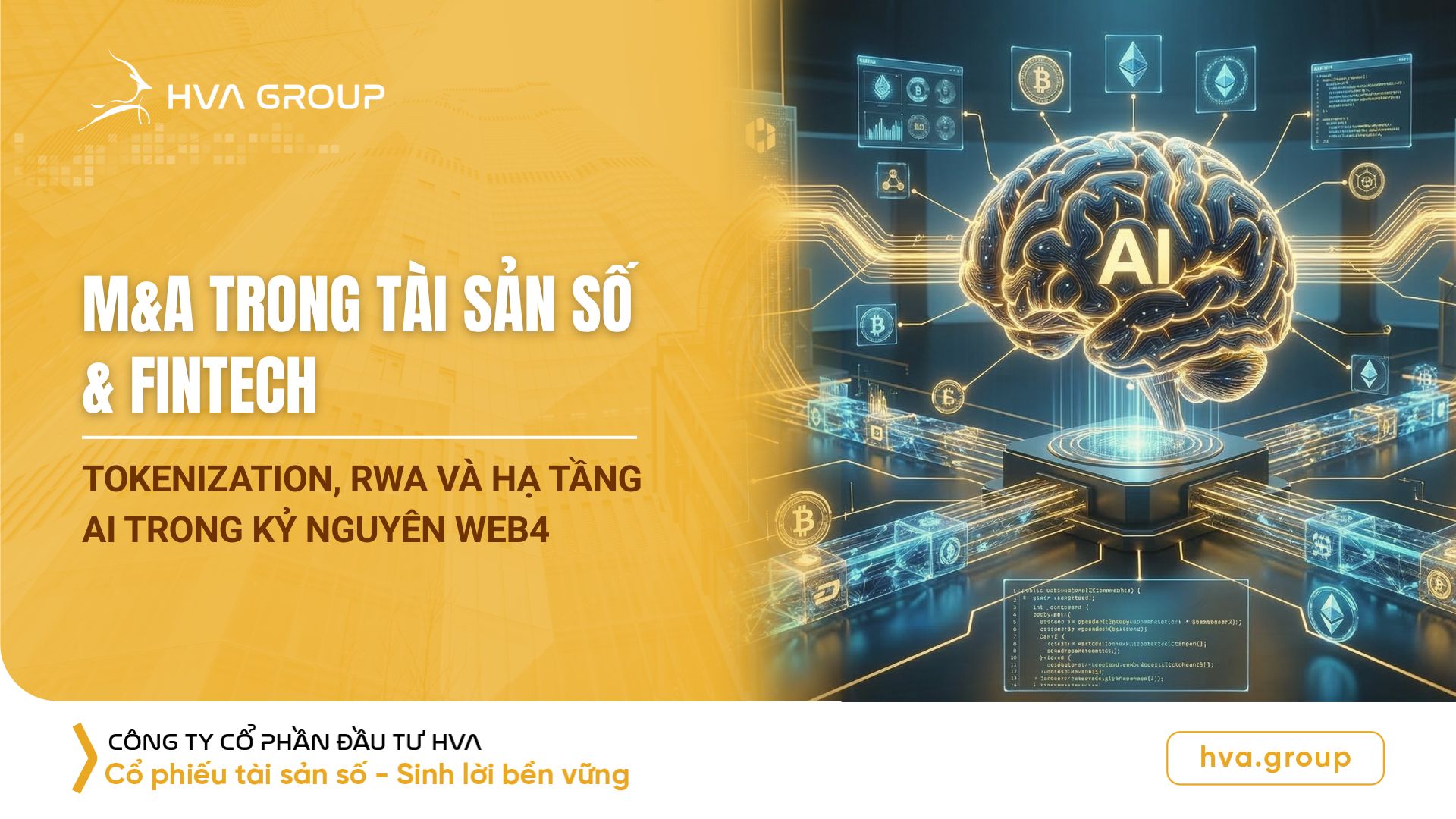
If blockchain is the validation and settlement layer, then AI is the information processing layer – where assets are analyzed, predicted, and adjusted in real time. In the Web4 architecture, this combination is no longer an option, but a necessary condition for the formation of a sustainable digital asset market.
1. Tokenization and RWA: A Shift in Ownership Structure
Tokenization is the process of converting asset ownership into tokens on the blockchain. RWAs include real estate, bonds, precious metals, investment funds, commodities, and many other traditional asset classes.
In theory, tokenization helps to:
- Increase liquidity
- Fragmentation of ownership
- Transaction transparency
- Reduce intermediary costs.
However, tokens are merely the "technological shell." The real value lies in the asset quality and the underlying pricing mechanism.
A tokenized property that is misvalued will create systemic risk. A digitized bond without a real-time credit risk monitoring mechanism will expose investors to information lags.
Tokenization doesn't solve the pricing problem. It only facilitates solving that problem on a larger scale.
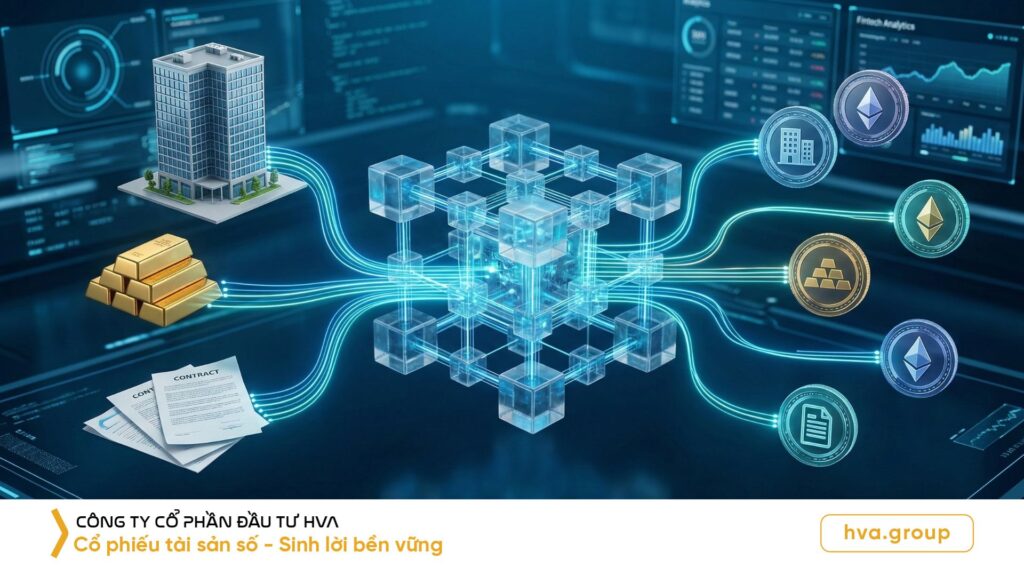
2. The core challenge of RWA: Pricing in a volatile environment.
RWA is influenced by many complex factors:
- Interest rate cycle
- Macroeconomic fluctuations
- Market liquidity
- Legal risks
- Investor behavior
In traditional models, valuations are often based on periodic reports and static models such as DCF, P/E, and EV/EBITDA. These methods are useful but have a time lag.
In a 24/7 digital asset environment, that latency becomes a cost. When information isn't updated in a timely manner, the price of RWA tokens can deviate significantly from their intrinsic value, leading to liquidity and leverage risks. The combination of RWA and AI aims to address precisely this latency.
3. AI Valuation Engine: Dynamic real-time pricing
AI in valuation doesn't completely replace traditional models, but rather expands upon them.
AI has the capability to:
- Combining market, macroeconomic, and behavioral data.
- Analyzing unstructured data such as news and sentiment.
- Adjust weighting according to market conditions.
- Learn from previous forecast deviations.
Instead of a fixed valuation number, AI generates a range of probabilities that reflect multiple different scenarios.
For example, a tokenized real estate asset could be evaluated by AI based on:
- Regional absorption rate
- Current loan interest rates
- Rental income fluctuations
- Legal risks
- Secondary market liquidity
Valuation has become a dynamic system instead of a static report.
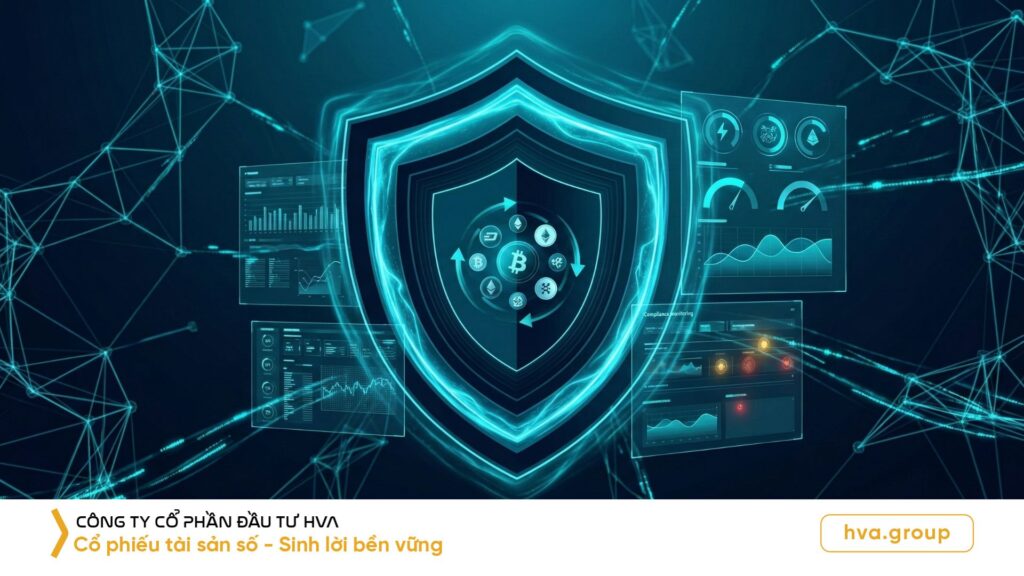
4. AI Risk Scoring: Multidimensional Risk Management
Risks in RWA are not just price volatility. They include:
- Liquidity risk
- Credit risk
- Partner risk
- Leverage risk
- Technological risks
The AI Risk Engine can score the risk of individual assets and entire portfolios in real time.
The key difference is that the system has the ability to detect potential correlations between assets. When a group of assets has a high liquidity link, AI can warn of contagion risk before the market reacts.
In a tokenized environment, where assets can be used as collateral or participate in DeFi structures, the ability to detect systemic risk early is crucial.
5. AI and Compliance: A Layer of Trust Protection
Tokenizing RWAs means that transactions take place on the blockchain. This creates transparency, but also creates the need for oversight.
AI AML Monitoring can:
- On-chain cash flow analysis
- Identifying high-risk wallets
- An unusual trading pattern has been detected.
- Automatic warnings before legal risks arise.
Compliance is no longer a manual process, but has become an automated operational layer. Market confidence stems not only from technology, but also from the ability to control risks and ensure continuous compliance.
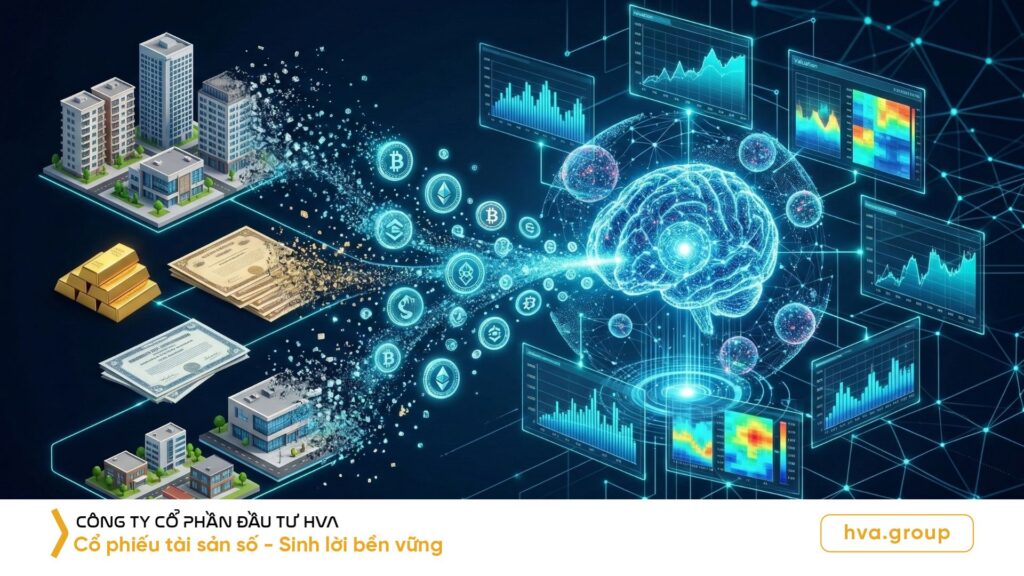
6. RWA + AI in Web4 Architecture
Web4 represents an autonomous internet – where AI agents can allocate funds and execute transactions independently.
In that architecture:
- Blockchain ensures ownership rights.
- Smart contracts ensure enforcement.
- AI ensures optimization and management.
When RWAs integrate AI, they are not just digital assets. They become “learning” assets – where valuation, risk, and liquidity are constantly adjusted.
This represents a transition from Web 3 (Owned Internet) to Web 4 (Smart Operating Internet).
Conclude
In the data age, the advantage lies not in owning more assets, but in understanding and managing those assets more deeply. As RWAs are integrated into AI-powered pricing and risk management systems, the financial market enters a new phase: where assets are not only digitized, but also driven by intelligence.